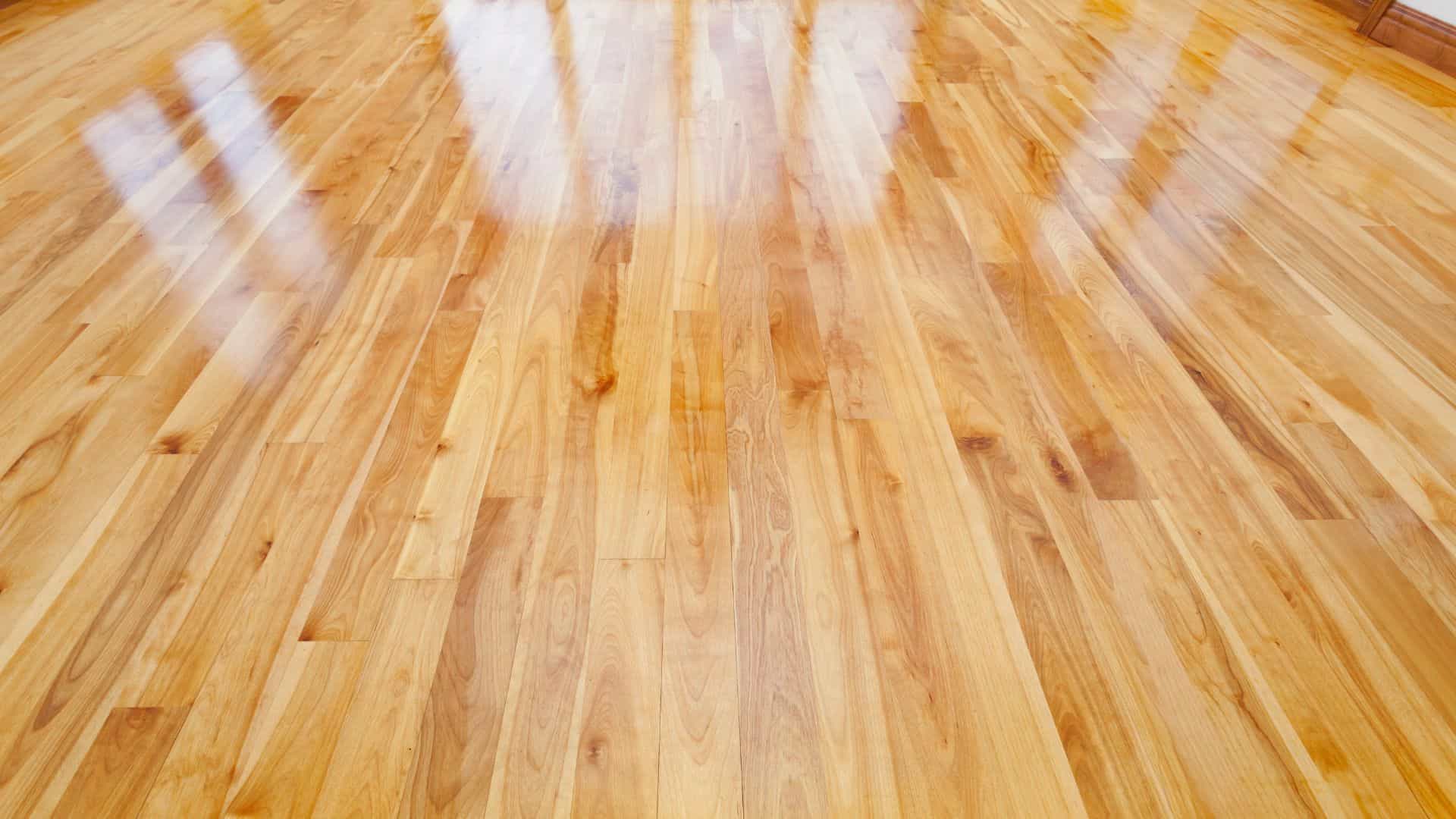
Solid hardwood flooring is a popular choice among homeowners for its timeless beauty, durability, and natural appeal. Whether you are renovating your existing home or building a new one, understanding the key aspects of solid hardwood flooring can help you make an informed decision.
Introduction to Solid Hardwood Flooring
Solid hardwood flooring is made from a single piece of timber that is cut into planks. It offers a classic and luxurious look to any space and can significantly enhance the aesthetics of a room. Each plank is crafted from solid wood, which means it can be sanded and refinished multiple times, allowing you to restore its original beauty.
Advantages of Solid Hardwood Flooring
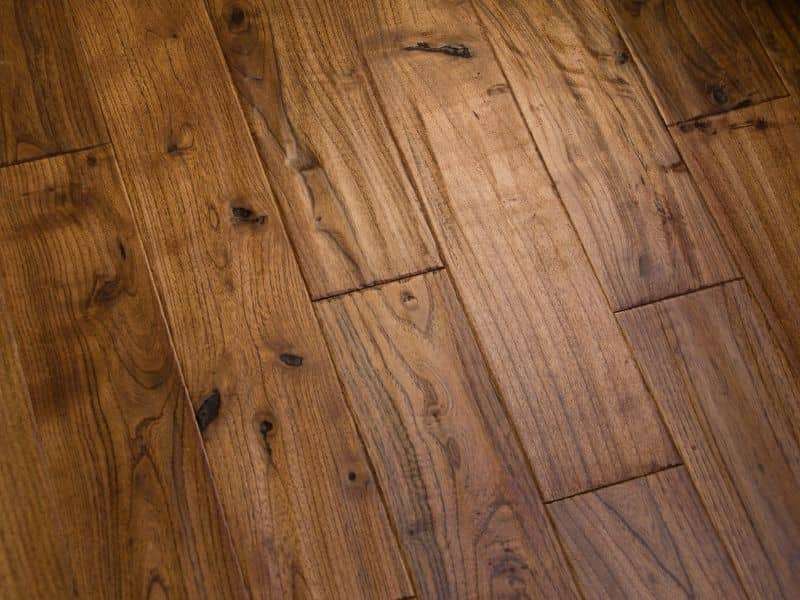
Solid hardwood flooring comes with several advantages. Firstly, it adds warmth and character to your home, creating a cozy and inviting atmosphere. Additionally, it is durable and long-lasting, with the potential to last for generations when properly maintained.
Solid hardwood flooring also offers excellent acoustics, reducing noise levels and providing a peaceful environment. Lastly, it is hypoallergenic, as it does not harbor dust, pollen, or other allergens, making it an ideal choice for individuals with allergies or respiratory sensitivities.
Types of Solid Hardwood Flooring
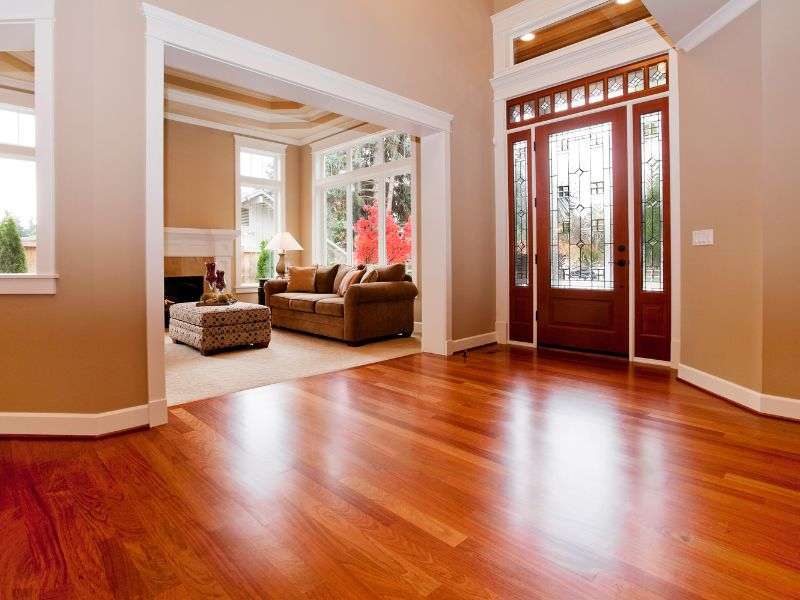
There are various types of solid hardwood flooring available, each with its unique characteristics. Common species include:
- Oak
- Maple
- Cherry
- Walnut
- Hickory
Each species has its distinct grain patterns, color variations, and hardness levels, allowing you to choose the one that best suits your preferences and lifestyle.
Choosing the Right Species for Your Hardwood Flooring
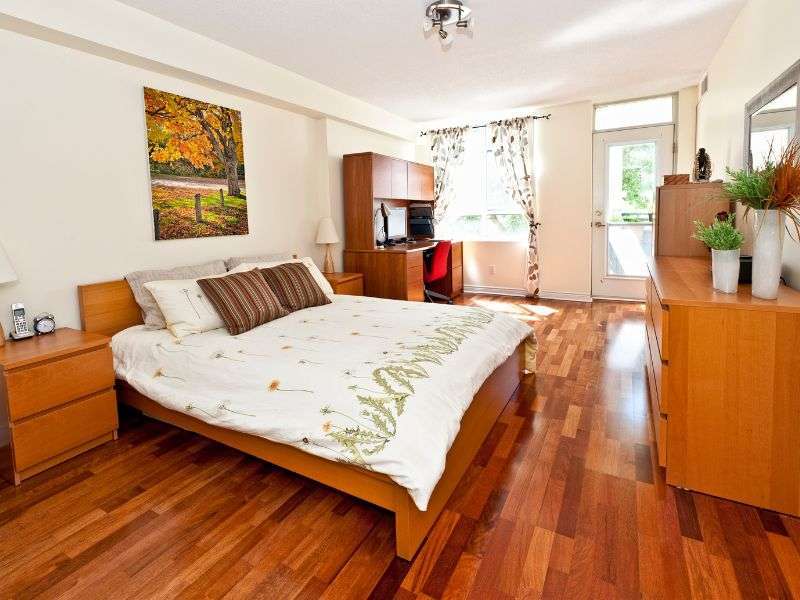
When selecting the species for your solid hardwood flooring, consider factors such as durability, aesthetics, and compatibility with your interior design. Oak, for example, is a popular choice due to its strength and versatility, while maple offers a lighter and more contemporary look.
Take into account the level of foot traffic in your home, as some species are more resistant to scratches and wear than others.
Understanding the Grading System
Solid hardwood flooring is graded based on the appearance of the wood. The grading system determines the presence of knots, color variations, and other natural characteristics.
The most common grading categories are Select, which features a clean and uniform appearance, and Rustic, which embraces the natural imperfections of the wood, giving it a more rustic and aged look. Understanding the grading system helps you choose the right style and character for your flooring.
Preparing Your Subfloor for Installation
Before installing solid hardwood flooring, it is crucial to prepare the subfloor properly. The subfloor should be clean, level, and dry to ensure a smooth and stable foundation. Any existing flooring materials, such as carpet or vinyl, need to be removed, and the subfloor should be inspected for any damage or unevenness.
Installation Methods for Solid Hardwood Flooring
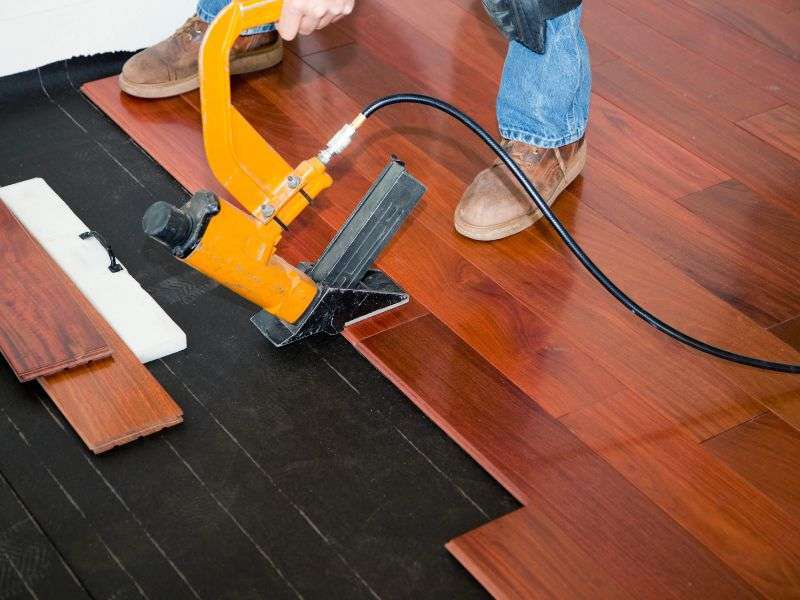
Solid hardwood flooring can be installed using different methods, including nail-down, glue-down, and floating.
- Nail-down: planks are attached directly to the subfloor using nails or staples.
- Glue-down: adhesive is used to secure the planks to the subfloor.
- Floating: planks interlock without being attached to the subfloor.
The installation method depends on the type of subfloor, personal preference, and manufacturer recommendations.
Finishing and Sealing Solid Hardwood Floors
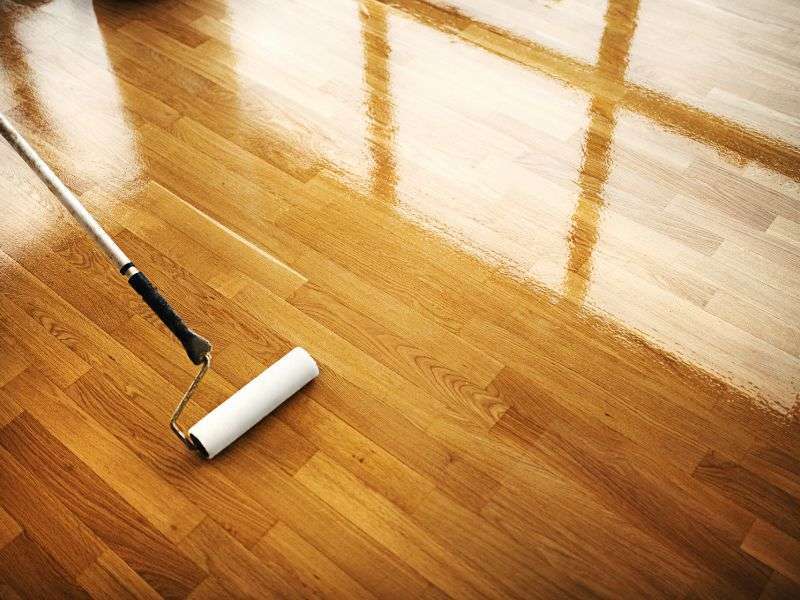
After installation, the solid hardwood floors need to be finished and sealed to protect them from moisture, stains, and wear. The finishing process involves sanding the floors to achieve a smooth surface and then applying a protective finish, such as polyurethane or wax. Sealing the floors enhances their longevity and makes them easier to clean and maintain.
Maintaining Solid Hardwood Flooring

Proper maintenance is essential to keep your solid hardwood flooring looking beautiful for years to come. Regular sweeping or vacuuming helps remove dirt and debris, preventing scratches. It is important to clean up spills promptly and avoid excessive moisture.
Using appropriate cleaning products specifically designed for hardwood floors is recommended to prevent damage. Additionally, placing protective pads under furniture legs and using area rugs in high-traffic areas can minimize wear and tear.
Repairing and Restoring Solid Hardwood Flooring
Over time, solid hardwood flooring may develop scratches, dents, or other signs of wear. The advantage of solid hardwood is that it can be sanded and refinished to restore its original beauty. Minor scratches can often be repaired using touch-up kits or fillers. For more extensive damage, professional refinishing services may be required to sand and refinish the entire floor.
Solid Hardwood Flooring vs. Engineered Wood Flooring
Solid hardwood flooring differs from engineered wood flooring in terms of construction and installation. While solid hardwood consists of a single layer of wood throughout, engineered wood is composed of multiple layers, with a solid wood top layer and a plywood or composite core.
Engineered wood flooring is more resistant to moisture and can be installed in areas with fluctuating humidity levels, such as basements. However, solid hardwood offers greater longevity and the ability to be sanded and refinished multiple times.
Solid Hardwood Flooring in Different Rooms
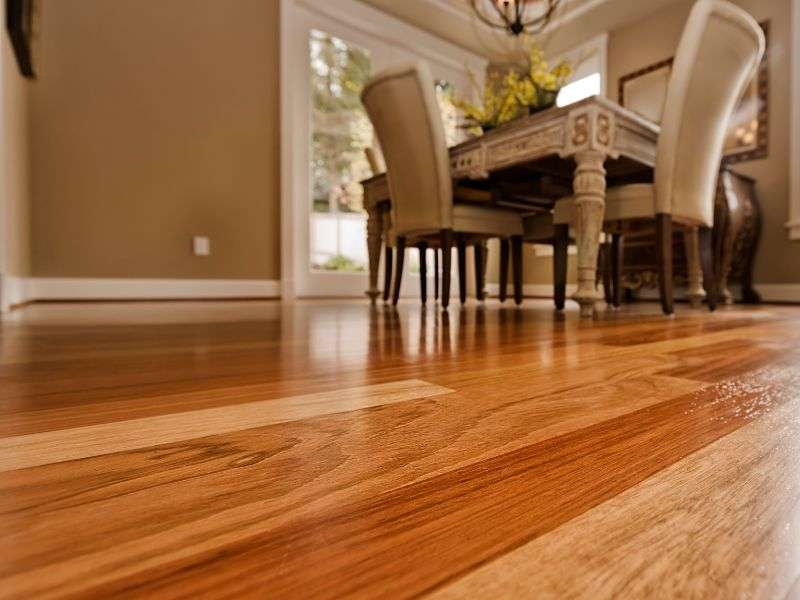
Solid hardwood flooring can be installed in various rooms, including living rooms, bedrooms, dining rooms, and even kitchens. However, it is important to consider the specific requirements of each room. In areas with high moisture, such as bathrooms or laundry rooms, solid hardwood may not be the most suitable option — engineered wood or other moisture-resistant materials may be preferred.
Solid Hardwood Flooring and Environmental Considerations

Sustainable and eco-friendly options are increasingly important in the world of flooring. Solid hardwood flooring comes from a natural and renewable resource, making it an environmentally conscious choice. However, it is crucial to ensure that the wood is sourced from responsibly managed forests and certified by organizations such as the Forest Stewardship Council (FSC).
Additionally, opting for locally sourced or reclaimed solid hardwood flooring reduces the carbon footprint associated with transportation and manufacturing.
Common Myths about Solid Hardwood Flooring
There are several misconceptions surrounding solid hardwood flooring. One common myth is that it cannot be installed over radiant heating systems — whereas modern solid hardwood floors are designed to accommodate such systems. Another myth is that solid hardwood flooring is too expensive, but with a wide range of options available, it can be affordable for different budgets.
Conclusion
Solid hardwood flooring offers timeless beauty, durability, and a touch of nature to any home. By understanding its advantages, installation process, maintenance requirements, and environmental considerations, you can confidently choose solid hardwood flooring that suits your style and lifestyle. Whether you prefer the warmth of oak, the elegance of cherry, or the contemporary look of maple, solid hardwood flooring is a versatile and long-lasting option that can transform your space.
FAQs
Is solid hardwood flooring suitable for kitchens?
Yes, solid hardwood flooring can be installed in kitchens. However, it is important to wipe up spills promptly and avoid excessive moisture to prevent damage to the wood.
Can I install solid hardwood flooring myself, or should I hire a professional?
The installation of solid hardwood flooring requires some level of expertise. While it is possible to install it yourself, hiring a professional ensures a proper and seamless installation.
How often do I need to refinish solid hardwood flooring?
The frequency of refinishing depends on factors such as foot traffic and wear. On average, it is recommended to refinish solid hardwood floors every 7–10 years.
Can solid hardwood flooring be installed over concrete subfloors?
Yes, solid hardwood flooring can be installed over concrete subfloors. However, proper moisture barriers and installation methods — such as glue-down or floating — should be used to prevent moisture-related issues.
How do I maintain solid hardwood flooring in high-traffic areas?
Use protective area rugs or mats and regularly clean the floors to remove dirt and debris that cause surface scratches over time.